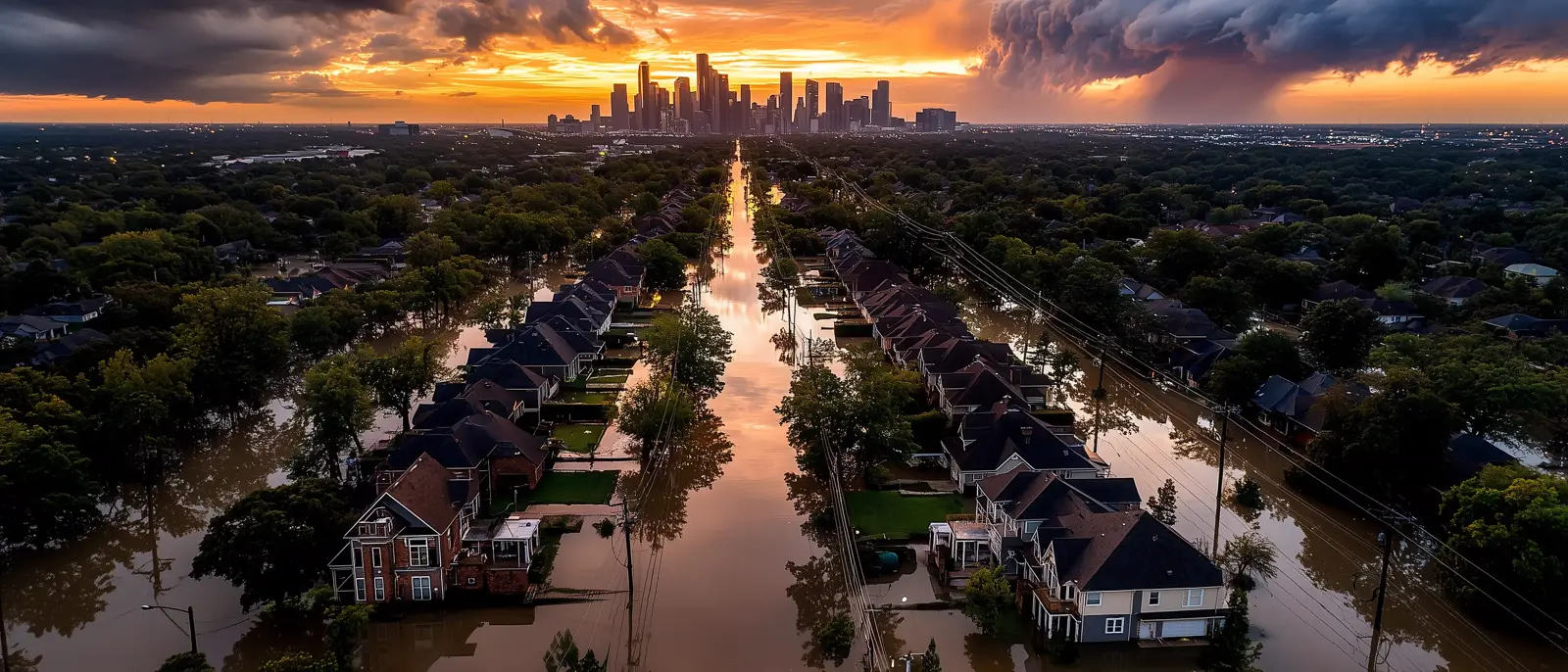
If you own property in Houston — or you're thinking about buying — there's a shift happening right now that could fundamentally change what you pay, what your home is worth, and whether your lender even approves your deal. FEMA's draft flood maps for Harris County are out, and the implications are significant.
The 43% Expansion
FEMA's updated maps project the 100-year floodplain in Harris County to grow from approximately 150,000 acres to 200,000 acres. That's a 43% expansion of the high-risk zone. Thousands of homes that were previously classified as low-risk (Zone X) are about to be reclassified as high-risk (Zone AE).
For homeowners, that reclassification triggers a cascade of consequences: mandatory flood insurance if you have a federally backed mortgage, increased lender scrutiny on new purchases, and potential impacts to your property's appraised value and resale position.
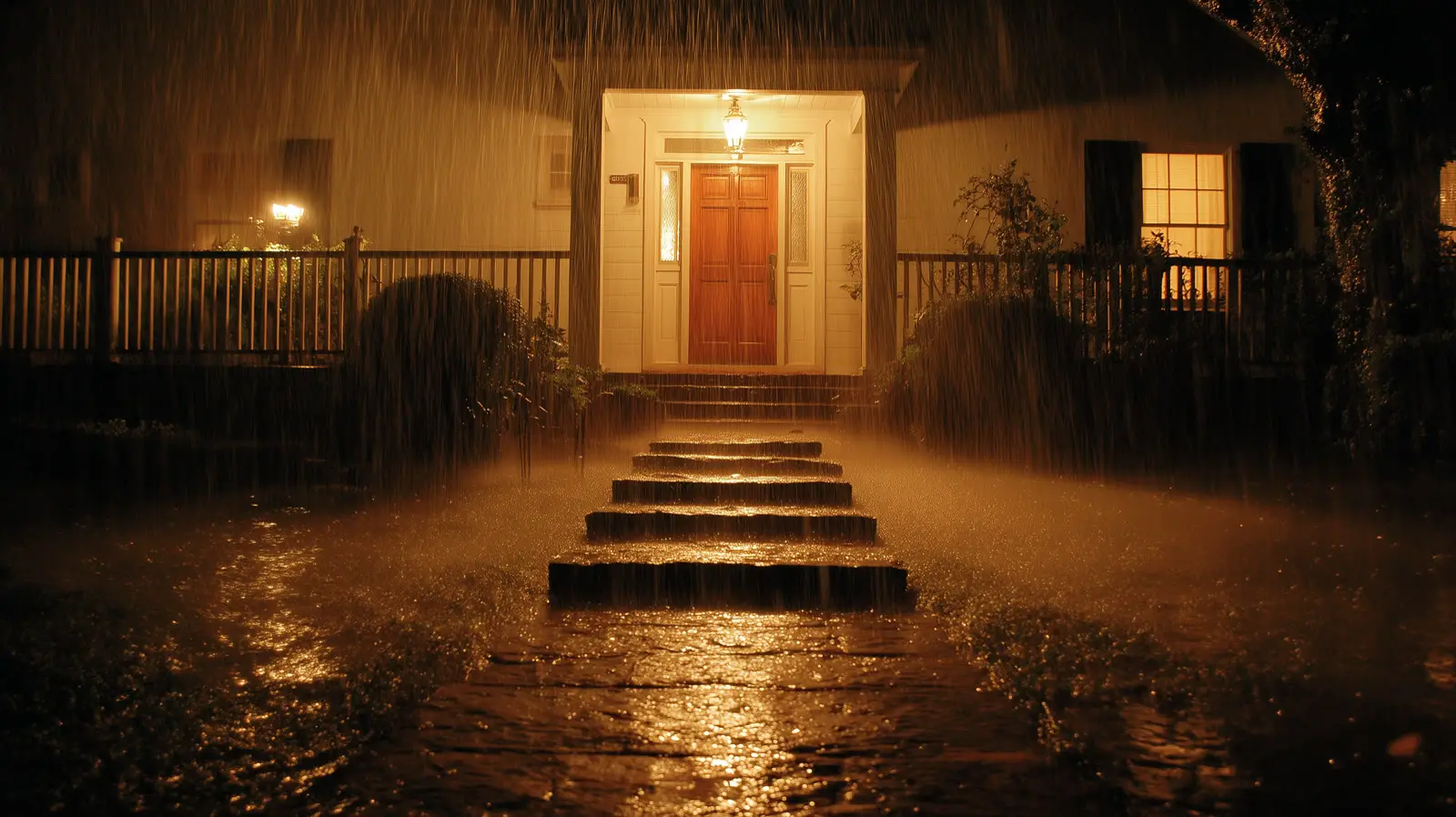
43%
Projected expansion of Harris County's 100-year floodplain under FEMA's 2026 draft maps
The Insurance Ratchet
Even before the new maps take effect, many Harris County homeowners are already seeing their flood insurance premiums climb. Under FEMA's Risk Rating 2.0 system, every property now has a calculated "true risk premium." If you're currently paying less than that number, federal law requires your rate to increase by up to 18% per year until it catches up.
This is what FEMA calls the "Glide Path" — a steady, federally mandated escalation. It doesn't matter whether your flood zone designation has changed. If the algorithm says your risk is higher than what you're paying, the increases are automatic.
For properties classified as Severe Repetitive Loss — and Harris County has over 1,100 of them — the situation is worse. These homes face 15% surcharges and 25% annual rate increases. Most private insurers automatically decline them unless significant mitigation work has been documented.
Buyers Are Flying Blind
Here's what makes this particularly dangerous for buyers: the Houston Association of Realtors (HAR) has postponed plans to add flood risk ratings to property listings. The platform had partnered with Texas A&M's "Buyers Aware" system, but the integration was delayed in mid-2025 over concerns about data interpretation.
That means if you're browsing listings on HAR right now, you won't see a flood risk score. You have to do your own research — checking FEMA's flood map viewer, reviewing the property's disclosure documents, and requesting the seller's insurance history.
In Texas, investors flipping a house who've only owned it a short time are only required to disclose what they know during their ownership period — making it difficult for buyers to piece together the full flood history of a property.
1 in 5 New Homes: Built in the Flood Zone
Perhaps the most alarming data point: one out of every five homes currently being built in the Houston area sits in a flood-prone area. An analysis by the Houston Chronicle identified five builders who have each constructed more than 700 homes within official flood zones, with over 65,000 properties identified in floodplains across Harris and surrounding counties.
New construction in a flood zone isn't automatically a bad investment — many of these homes are built to modern elevation standards. But buyers need to understand that a brand-new house does not mean zero flood risk, and the insurance costs associated with that risk will be part of your monthly payment for as long as you own the property.
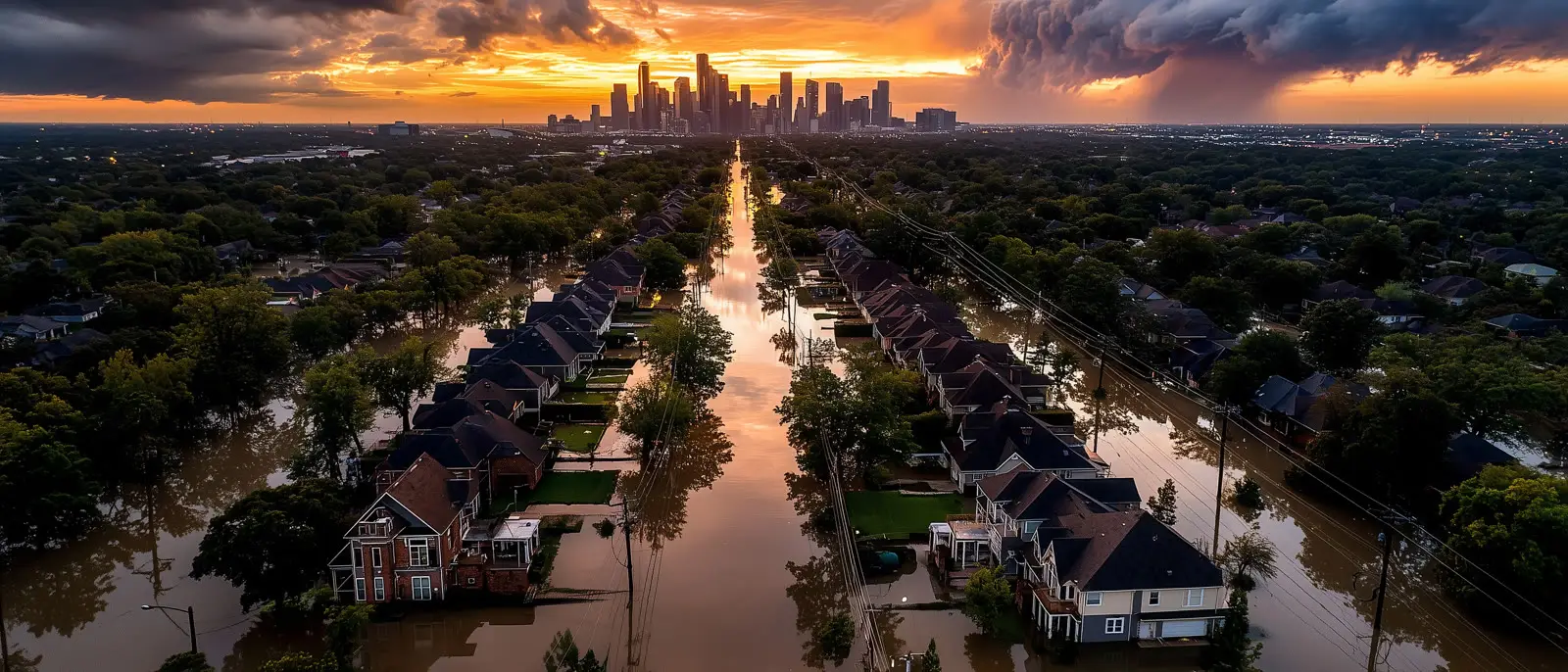
65,000+
Properties identified in floodplains across Harris and surrounding counties
What Investors Need to Watch
For landlords and investors, the flood map expansion carries direct cash flow implications. If a rental property gets reclassified into a high-risk zone, you're looking at:
- Mandatory insurance that may not have been in your original underwriting
- Higher lender scrutiny on refinancing or new acquisitions in affected zones
- Potential value compression as buyers factor in the added cost of ownership
- Tenant awareness — renters are increasingly checking flood risk before signing leases
The smart play is proactive. If your portfolio includes Houston properties, pull up the draft maps now and check every address. If any property is moving from Zone X to Zone AE, the time to act is before the maps are finalized — not after.
The One Move That Can Save You Thousands
If draft maps show your property moving into a high-risk zone, buy flood insurance now — before the maps are officially adopted. By securing a policy while you're still in a low-risk zone, you can take advantage of FEMA's "Newly Mapped" procedure, which transitions you into the higher rate gradually instead of hitting you with the full premium on day one.
This isn't a loophole. It's a legitimate federal procedure designed to ease the financial transition. But it only works if you act before the maps are finalized.
Your Due Diligence Checklist
- Check the FEMA Flood Map Service Center for your property's current and proposed zone
- Request the seller's flood insurance history and claims record — you can verify NFIP policy history via the FloodSmart.gov resources
- Get a flood insurance quote before closing — use FloodSmart's rate estimator to get a ballpark before your lender does
- For investment properties, re-run your cash flow analysis with flood insurance factored into operating expenses — FEMA's Risk Rating 2.0 explains how premiums are calculated
- Consider an elevation certificate — it can significantly reduce your premium if your home sits above the base flood elevation
The Bottom Line
Houston's flood risk isn't new. What's new is the scale of the reclassification and the financial mechanisms now in place to price that risk accurately. Whether you're buying your first home or managing a portfolio of rentals, this is the year to get informed, get insured, and get strategic about flood exposure.
The buyers and investors who move first will be in the strongest position. The ones who wait will pay more — guaranteed.
Need Help Navigating This?
I help buyers and investors make informed decisions in Houston's complex market. Let's talk about your next move.
Connect With Me